Home » Dental Restoration
Dental restoration – beautiful teeth and new self-confidence
Dental restoration – definition and significance
Definition: Combination of several dental procedures to
restore function and aesthetics.
A complete or total restoration refers to a procedure in which at least half of the teeth require treatment in order to sustainably improve the health of your teeth.
Depending on the individual condition of your teeth, a series of comprehensive dental treatments will be carried out and combined in a pre-planned sequence.
A complete dental restoration involves more than just replacing damaged teeth – it is more like a comprehensive overhaul of the entire dentition.
The goal of a complete restoration is to rebuild a healthy, aesthetic, pain-free and functional set of teeth.
Statutory health insurance companies generally only cover the costs of necessary, medically justified treatments.
Typical components of a complete renovation:
| measure | Area of application |
| Tooth extraction | Removal of teeth that are not worth saving. |
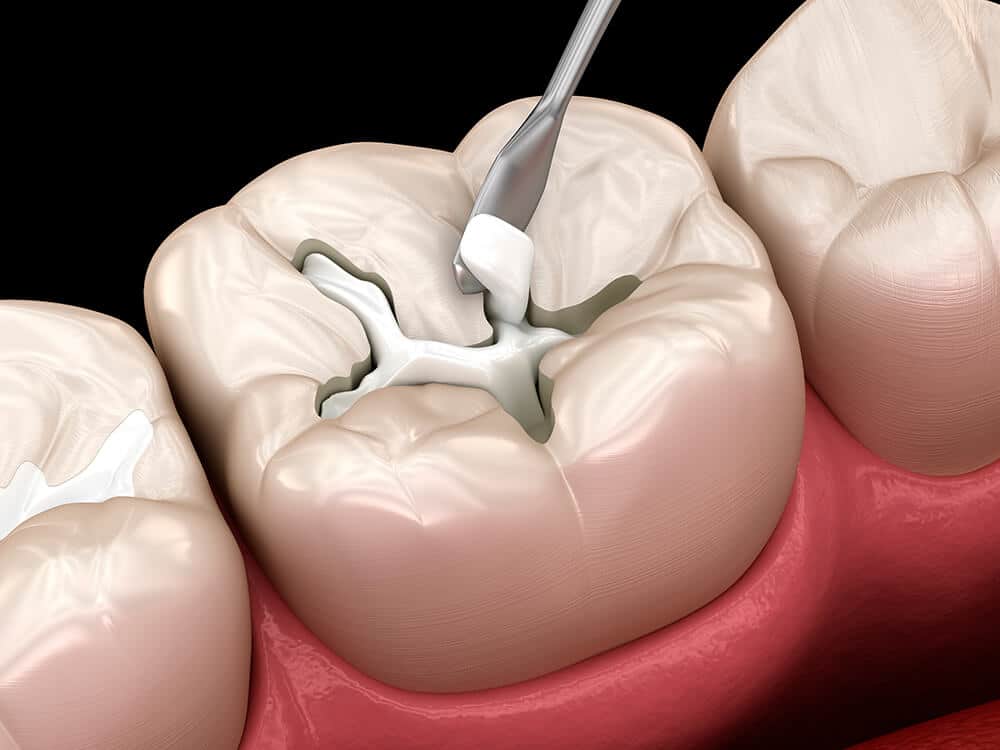
| Dental fillings | Filling small cavities in otherwise healthy teeth. |
| Implants | Replacements for missing teeth. |
| Root canal treatment | Tooth preservation in cases of inflammation |
| Bone structure | Measures to build bone |
| Crowns and bridges | Aesthetic dental prosthetics. |
| Periodontal therapy | Treatment of gum disease. |
| Veneers / Smile Design | Aesthetic improvement (optional) of existing teeth. |
| Planning and production of the dental prosthesis | Crowns, implants, dentures and bridges. |
| Professional teeth cleaning | Thorough cleaning, especially for teeth with cavities. |
When is dental treatment necessary?
A complete dental restoration is particularly necessary for patients with dental anxiety. Unnoticed tooth damage, gum inflammation, or loose teeth can lead to serious and painful problems over time. People with acute dental phobia will even endure pain and damaged teeth simply to avoid visiting the dentist.
Patients with dental anxiety often only go to the dentist when they are in distress and can no longer bear the physical pain and emotional distress. Dental restoration is not the only reason for dental rehabilitation in patients with dental anxiety. Poor oral hygiene, an unhealthy diet, or even hereditary factors can contribute to the need for comprehensive dental restoration.
Duration of dental restoration:
Other reasons for a complete renovation include:
They suffer from multiple dead or decayed teeth.
Chronic inflammation and periodontitis.
Aesthetic reasons: Desire for a new smile.
Poor condition of old fillings, dentures, crowns and bridges.
Missing teeth and impaired chewing function.
Tooth loss due to accident or lack of treatment.
Tips for how to behave after dental restoration
Soft food in the first few days
Mouthwashes and careful oral hygiene
Medications such as antibiotics or painkillers (only as directed)
Keep to the scheduled appointments
Avoid smoking, alcohol and strenuous physical activity
| do | Don’t |
| Cooling (outside) | Smoking in the first few days |
| Eat soft foods | Hot drinks/food directly thereafter |
| Medication regularly take | Independent removal of seams |
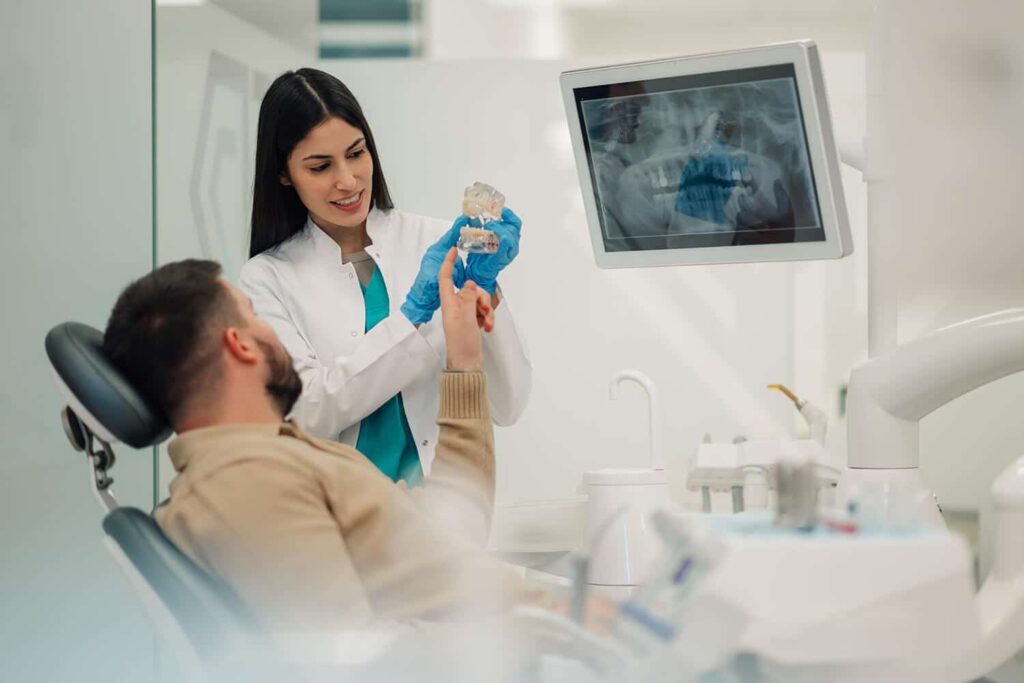
How is dental restoration performed on patients with dental anxiety?
Frequently asked questions about dental implants in Turkey
Can dental restoration be performed under general anesthesia?
How long do the results of dental restoration last?
Is a complete dental restoration possible even at an advanced age?
Is bone grafting necessary before dental restoration?
Fly2Smile: Let us help you achieve your dream smile

Many patients are hesitant to undergo dental treatment in Turkey for one specific reason : they fear communication problems. With Fly2Smile, however, these fears are completely unfounded. Seamless communication is a top priority here, and it’s no coincidence that the clinics employ English-speaking interpreters .
They reliably manage all communication – from the first to the last step of treatment. This means there’s always someone you can turn to – someone who can clear up any misunderstandings . Because, as they say: communication is key.
Form ENG
"*" indicates required fields