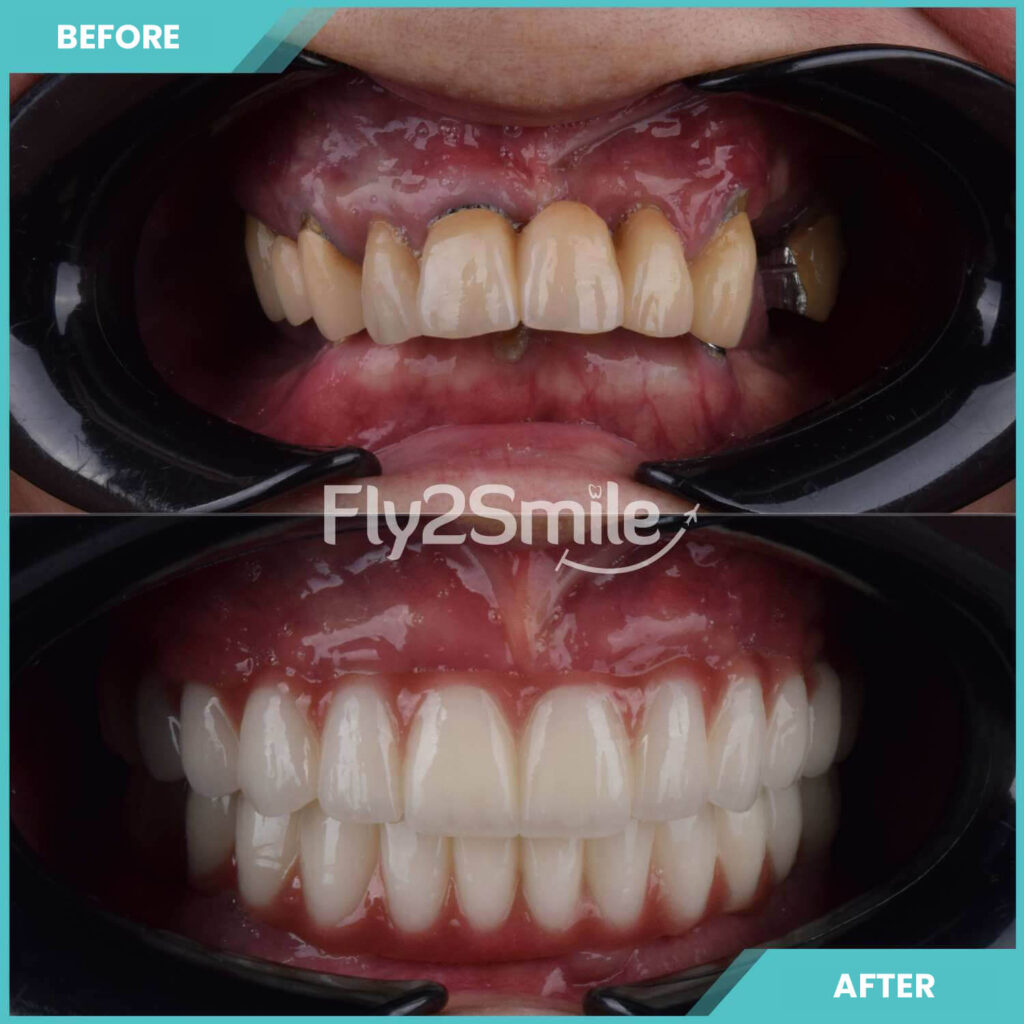
If you are considering dental implants, the choice of material and its specific properties plays a crucial role in long-term success. Inserting an artificial tooth root into the jawbone creates a stable foundation for crowns, bridges or dentures.
The choice of implant material affects both the aesthetic result and the implant’s longevity — making it an essential decision.
In this article, we introduce the most common materials used for dental implants, outline the differences between them and help you choose the right solution for your individual needs.
The Most Common Materials for Dental Implants
Titanium Implants – The Gold Standard
Titanium dental implants are considered the gold standard in implantology and remain the most widely used implant material. Titanium has been the preferred choice for decades due to its exceptional strength and excellent biocompatibility. Titanium implants offer outstanding stability and integrate extremely well into the jawbone. This process, known as osseointegration, ensures a secure anchorage of the implant and provides a durable foundation for dental restorations.
Zirconia Implants – The Aesthetic Ceramic Alternative
Zirconium dioxide (zirconia) is a relatively new material, ideal for patients with high aesthetic demands. This ceramic, white material offers excellent visual results because its colour closely resembles natural teeth. It is also highly resistant to wear and very biocompatible.
A disadvantage compared to titanium is that zirconia implants often do not provide the same load-bearing capacity, making them less suitable for cases with heavy chewing forces.
Ceramic Implants
Ceramic implants are especially suitable for patients who experience allergic reactions when in contact with metals and who value excellent aesthetics. However, ceramic implants are often more expensive than titanium or zirconia implants. Because their strength may vary, they are not always suitable for every patient.
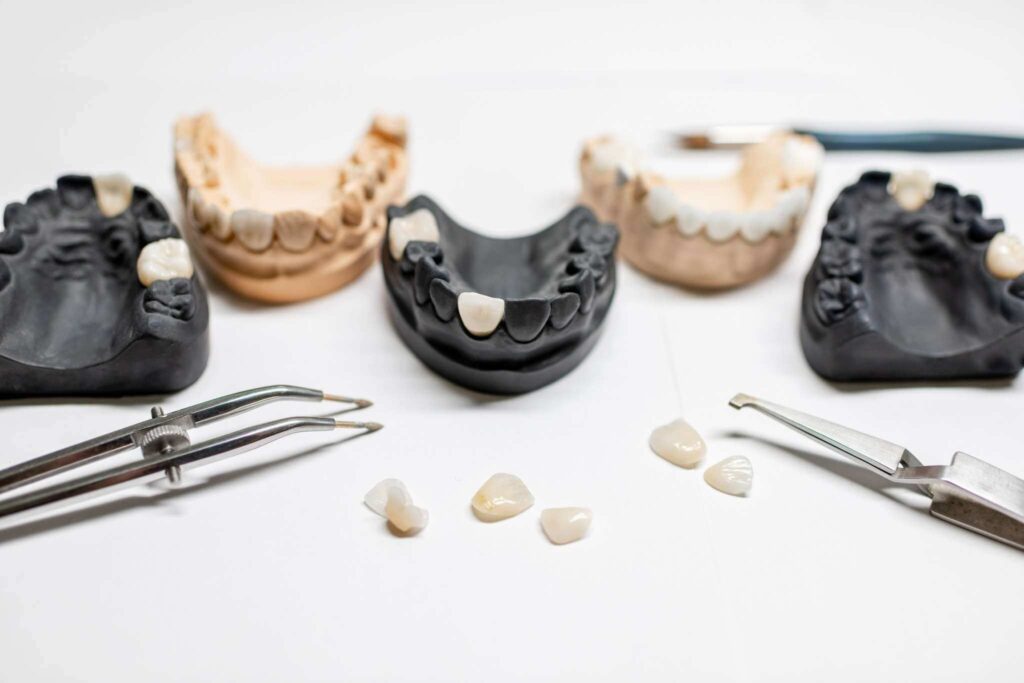
Titanium vs. Ceramic – A Comparison
Advantages of Titanium Implants
- High biocompatibility: Titanium is extremely compatible with the human body and is rarely rejected. Allergic reactions are uncommon.
- Osseointegration: Titanium is one of the few materials that allows direct osseointegration — the implant fuses firmly with the jawbone without intermediate soft tissue.
- Durability and strength: Titanium is corrosion-resistant and highly tensile, allowing the implant to remain stable in the jaw long-term. With proper care, titanium implants can last a lifetime.
- Lightweight material: Despite its strength, titanium is very light, reducing weight and increasing comfort.
- Customisability: Titanium implants can be produced in various alloys to meet mechanical and individual requirements.
Established research and clinical success: Titanium has been used in implantology for decades, backed by extensive research and clinical evidence.
Disadvantages of Titanium Implants
- Metallic appearance: In patients with thin or receding gums, the grey titanium may show through.
- Potential (rare) allergies: Although uncommon, allergic reactions to titanium or alloy components have been reported.
Galvanic reactions: When different metals are present in the mouth (e.g., gold crowns and titanium implants), galvanic effects can occur, creating electrical currents — although this is extremely rare.
Ceramic Implants
In recent years, ceramic — especially zirconium dioxide — has gained popularity as a dental implant material. Its natural tooth-like colour and remarkable stability make ceramic implants an appealing alternative to titanium.
Advantages of Ceramic Implants
- Aesthetic benefits: The natural white colour of ceramic implants makes them ideal for the visible front-tooth region. No grey metal can shine through the gum, as can happen with titanium.
- High biocompatibility: Zirconia shows excellent tissue compatibility and has low plaque adhesion, which can reduce the risk of peri-implant diseases and gum inflammation.
- Thermal insulation: Unlike metal implants, ceramics do not conduct heat, increasing comfort when consuming very hot or cold foods.
- Metal-free: An ideal choice for patients with metal allergies.
- No galvanic reactions: Ceramic implants do not cause electrical reactions in the mouth.
Disadvantages of Ceramic Implants
- Longer healing time: Bone cells bond more quickly to titanium. Ceramic implants require a longer healing period and often need a protective splint initially.
- Lower fracture resistance: Although modern ceramic implants are strong, they may fracture under extreme load more easily than titanium.
- Limited long-term data: Titanium implants have decades of long-term research, while ceramic implants are relatively new with fewer long-term studies.
- Higher cost: Ceramic implants are significantly more expensive.
- More complex placement: Ceramic is less forgiving than titanium, requiring specialised techniques and equipment.
Limited indication range: Ceramic implants are not always the first choice in cases with high bite pressure or complex reconstructions.
Which Material Is Right for Me?
Titanium and zirconia are the most common implant materials, primarily due to their high biocompatibility. This determines whether the body accepts the implant without adverse reactions.
The choice between titanium or ceramic implants depends on the individual circumstances of each patient:
- Titanium implants
Are time-tested, robust, biocompatible and achieve excellent long-term success rates. They are often the first choice for patients prioritising strength, durability and reliability. - Ceramic implants
Offer exceptional aesthetics, a natural tooth colour and a metal-free solution, ideal for patients with thin gum tissue or metal sensitivities.
Ultimately, the decision should be made together with your dentist to ensure the chosen material suits your anatomical structure, functional needs and aesthetic preferences.
We work with renowned manufacturers such as Straumann, Camlog, Swiss Implantat and Nobel Biocare to provide you with top-quality implant systems.
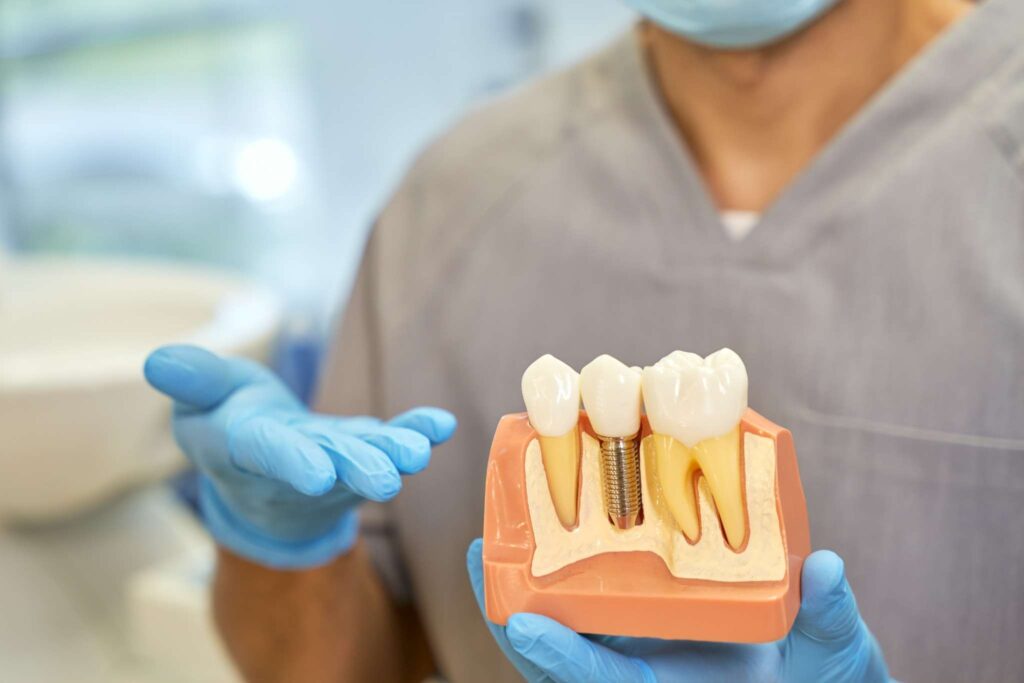
Fly2Smile – High-Quality Dental Implants in Turkey
It is no secret that English health insurance covers only a small portion of implant costs. It is therefore understandable that more and more patients choose treatment in Turkey — at Fly2Smile you can save up to 70% without compromising on quality or premium materials.
In addition to implants, we also offer the modern All-on-4 treatment in Turkey. This method is ideal when several teeth need replacing: four or six implants are placed in one session, ensuring perfectly matched tooth shape and colour for a harmonious overall appearance.
When you choose Fly2Smile for your dental implants in Turkey, you will be advised and treated by experienced implantologists. We work exclusively with certified materials from leading manufacturers to ensure the best possible outcome. From the initial consultation to aftercare, we take care of everything.
Our all-inclusive packages cover all essential costs of your medical trip. Our team organises accommodation and transfers, with stays in 4- to 5-star central hotels. An english-speaking interpreter accompanies you throughout your stay to ensure smooth communication.